
Gluten-Free Japanese Cheesecake
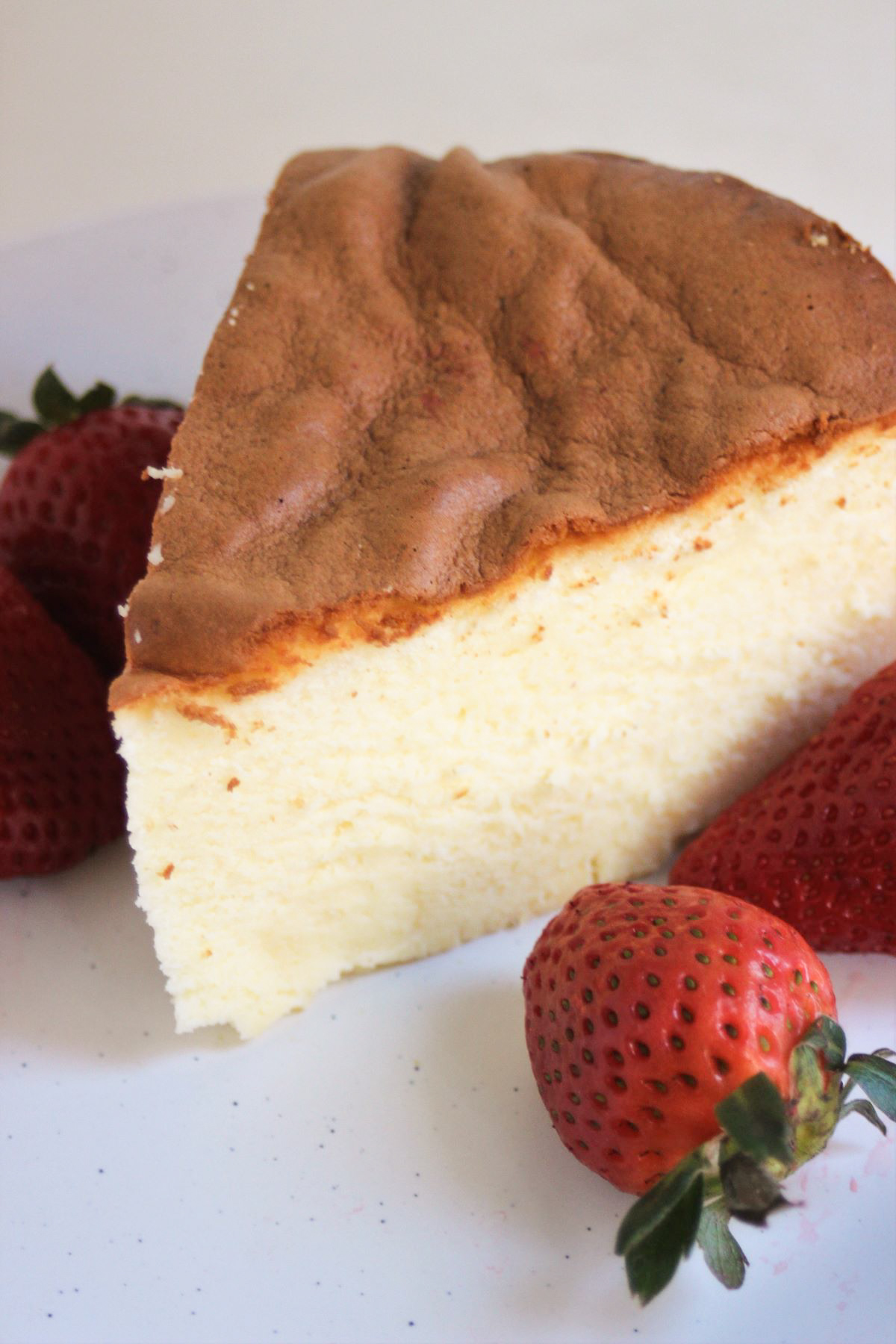
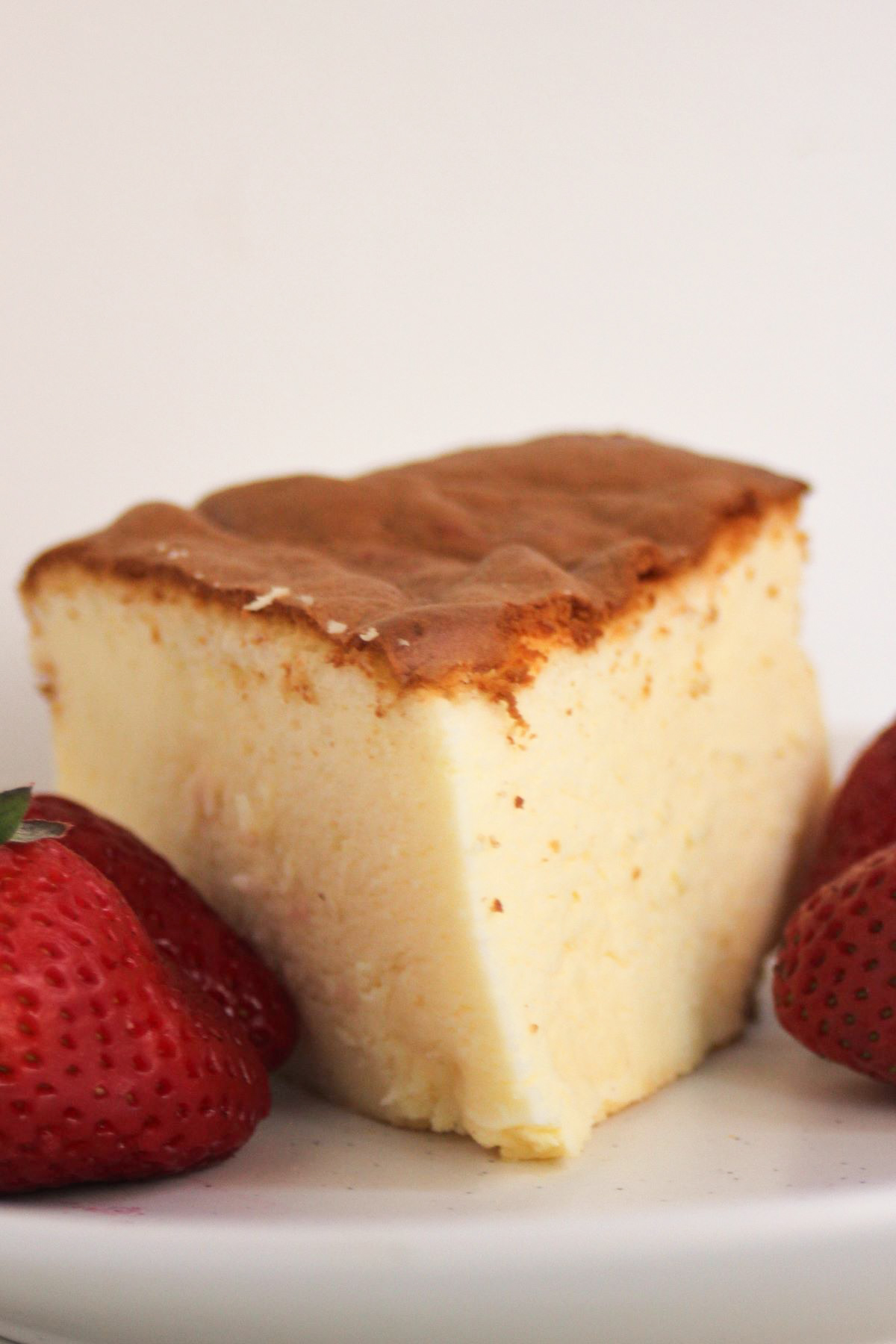
This gluten-free Japanese cheesecake is light, airy, and incredibly soft, with a delicate soufflé-like texture and a creamy cheesecake flavor. Also known as Japanese cotton cheesecake, it is much lighter than a traditional cheesecake and has a beautifully fluffy texture that practically melts in your mouth.
Jump to Recipe
Gluten-free Japanese cotton cheesecake
This gluten-free Japanese cheesecake is a little different from a traditional cheesecake. It has a soft, airy texture that is almost soufflé-like, while still having the creamy flavor you expect from cheesecake. The whipped egg whites are what give it that beautiful lightness, and baking it gently in a water bath helps create its delicate, tender texture.
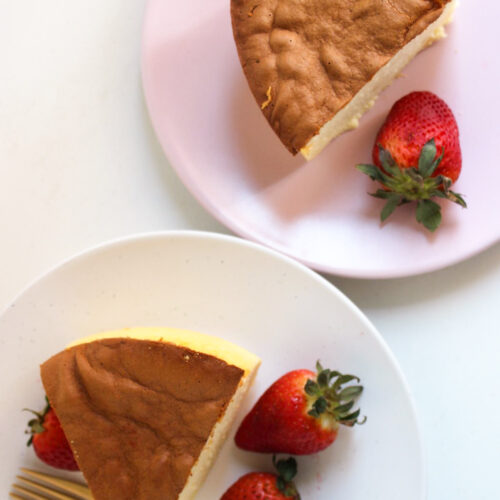
Made with simple ingredients, this Japanese cotton cheesecake doesn’t need a crust. Serve it plain with a dusting of powdered sugar, or add fresh strawberries, blueberries, or your favorite fruit sauce for an easy and elegant dessert. If you love light and creamy desserts, you might also enjoy my Gluten-Free Ricotta Cake, another simple and delicious gluten-free cake that’s perfect for sharing.
What goes in: ingredient notes
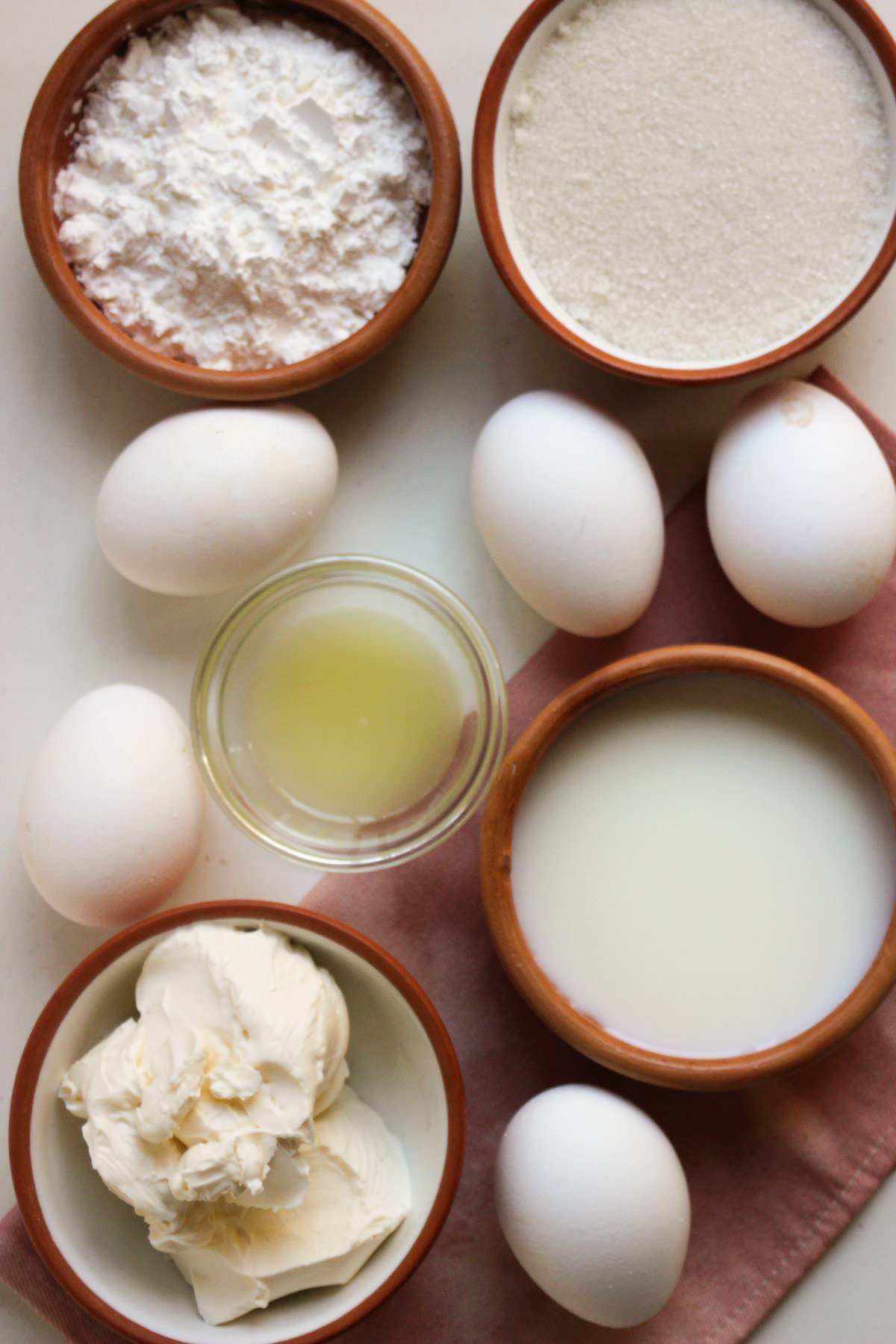
Some NOTES about the main ingredients of the cake are:
- Cream cheese: full-fat cream cheese for the best flavor and consistency, softened enough to combine smoothly with the other ingredients.
- Cornstarch: instead of flour, helps give the cheesecake structure.
- Milk: heavy cream for a smooth, creamy texture.
- Eggs: room-temperature eggs are better.
- Lemon juice: fresh lemon juice.
How to make Gluten-Free Japanese Cotton Cheesecake
Preheat oven to 300ºF (150°C). Lightly grease a 9-inch round cake pan with a removable bottom.
Separate the egg whites from the egg yolks. For the best meringue, make sure there is no yolk mixed into the egg whites; very important! Set aside
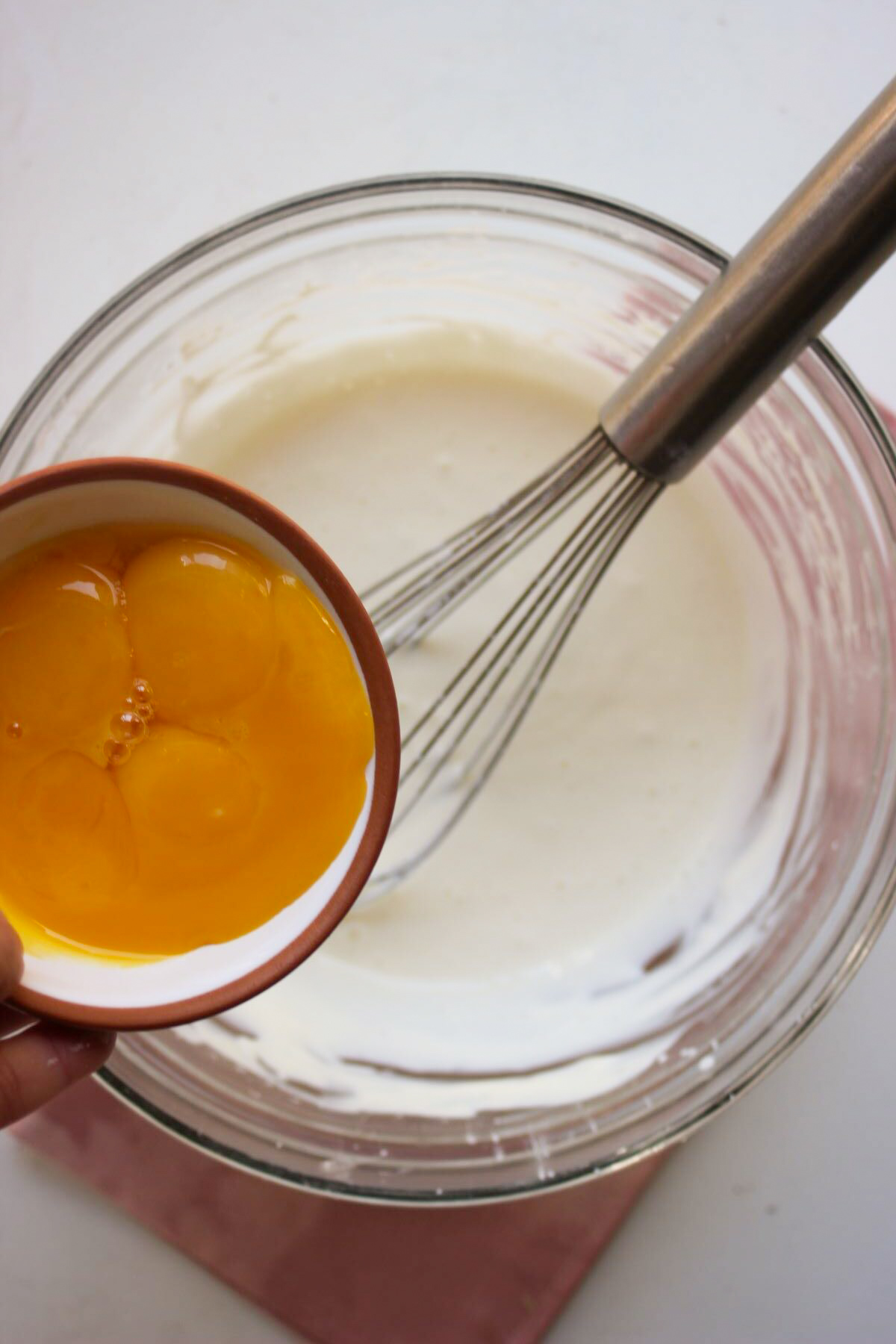
In a deep saucepan, gently heat the milk and cream cheese until smooth and well combined. Remove from the heat and add the cornstarch and salt. Add the egg yolks and lemon juice and mix until well incorporated. Set aside.
For the meringue, beat the egg whites with an electric hand mixer or stand mixer. Gradually add the sugar in three additions until the meringue reaches stiff peaks. Avoid overbeating the egg whites, as they should remain smooth.
Gently fold the egg whites into the cream cheese mixture with a rubber spatula, using sweeping movements. The batter should be smooth.
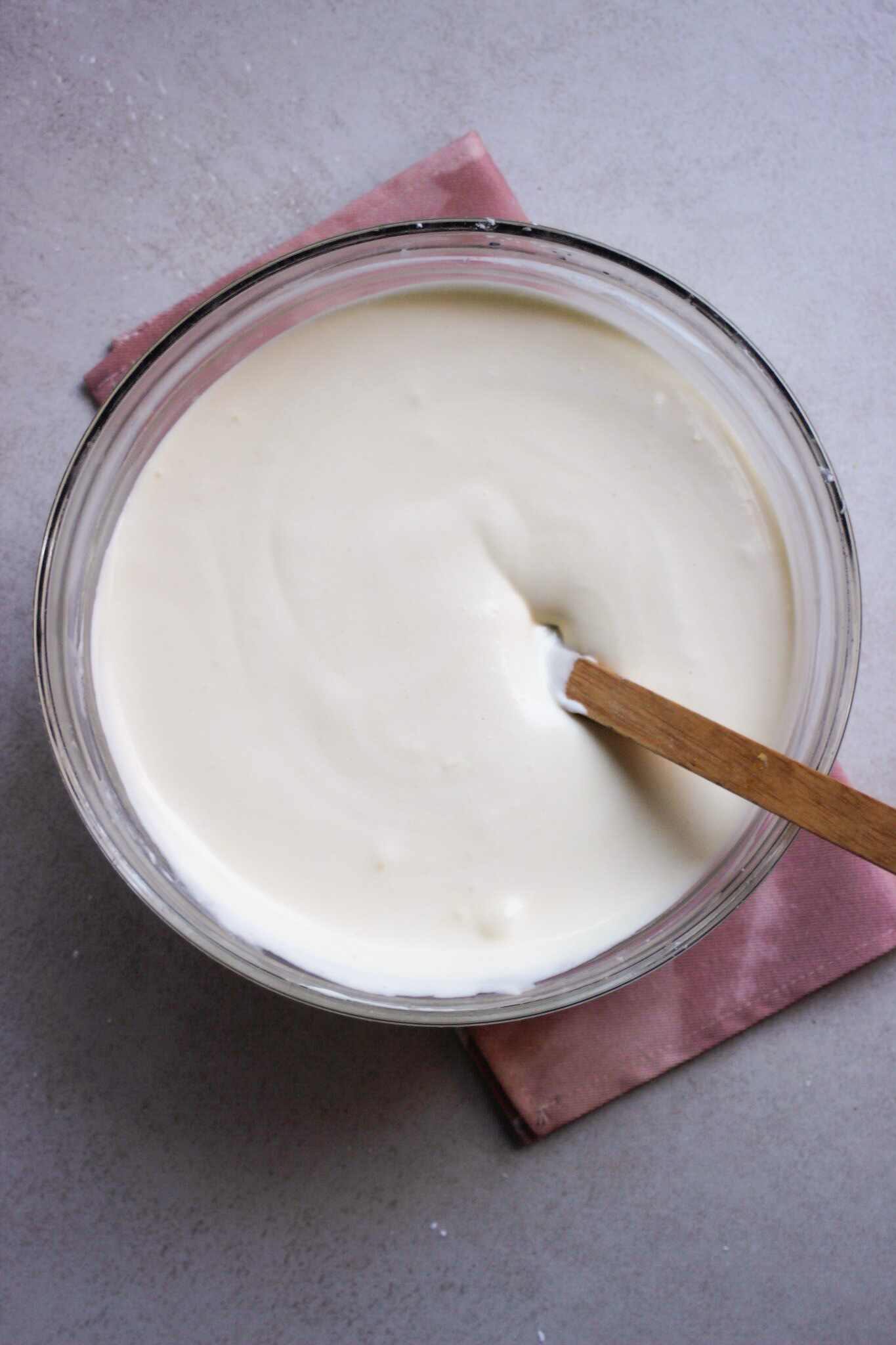
Pour the mixture into the prepared pan.
Place the cake pan in a larger baking pan and add hot water to create a water bath. Bake at 300°F (150°C) for 30 minutes. Then increase the temperature to 320°F (160°C) and continue baking for about 50 minutes.
Once the cheesecake is baked, don’t remove it from the oven too quickly; let it cool gradually with the door slightly open. A sudden temperature change can cause the cheesecake to collapse or crack.
Store the cake covered in the refrigerator for up to 3-4 days. You can also freeze the cheesecake in an airtight container or freezer bag for up to 3 months.
Good to know: baking tips
- Room-temperature egg whites whip more easily and help create a stable meringue.
- Fold the whipped egg whites gently into the cream cheese mixture to keep as much air in the meringue as possible.
- Baking in a water bath helps the cheesecake bake evenly and contributes to its soft texture.
- Avoid opening the door during baking (to avoid temperature changes). Sudden temperature changes can affect the rise and may cause the cake to collapse.
- Let it cool slowly to minimize sudden shrinkage and keep the structure.
You might wonder: FAQ
Why does my cheesecake collapse? For the best results, pay attention to a stable meringue, gentle folding, and gradual cooling. Don’t overbeat the egg whites, and gently fold them into the mixture with enveloping movements. Don’t remove the cake from the oven too quickly; let the cake cool gradually with the door slightly open. A Japanese cheesecake loses some height as it cools, but does not collapse.
Make it your own: serving options
- Fruits: fresh seasonal fruits, like strawberries, plums, peaches, mangoes, and so on.
- Mixed Berries: raspberries, blueberries, or mixed berries pair very well.
- Fruit sauce/ compote: serve with your favorite fruit sauce or compote. Here is the link to a blueberry compote, or plum compote, perfect for this recipe.
For more gluten-free cakes
If you love this light and airy gluten-free Japanese cheesecake, try these other gluten-free cakes from Almond Yes:
Gluten-Free Japanese Cheesecake (Cotton Cheesecake)
Ingredients
- 5 eggs, room temperature
- ¼ cup milk
- 200 gr cream cheese
- ⅓ cup cornstarch (40g)
- Pinch of salt
- 1 tbsp lemon juice
- ¾ cup granulated sugar
Instructions
- Preheat oven to 300ºF (150°C). Lightly grease a 9-inch round cake pan with a removable bottom.
- Separate the egg whites from the egg yolks. For the best meringue, make sure there is no yolk mixed into the egg whites; very important! Set aside
- In a deep saucepan, gently heat the milk and cream cheese until smooth and well combined. Remove from the heat and add the cornstarch and salt. Add the egg yolks and lemon juice and mix until well incorporated. Set aside.
- For the meringue, beat the egg whites with an electric hand mixer or stand mixer. Gradually add the sugar in three additions until the meringue reaches stiff peaks. Avoid overbeating the egg whites, as they should remain smooth. Gently fold the egg whites into the cream cheese mixture with a rubber spatula, using sweeping movements. The batter should be smooth.
- Pour the mixture into the prepared pan.
- Place the cake pan in a larger baking pan and add hot water to create a water bath. Bake at 300°F (150°C) for 30 minutes. Then increase the temperature to 320°F(160°C) and continue baking for about 50 minutes.
- Once the cheesecake is baked, don't remove it from the oven too quickly; let it cool gradually with the door slightly open. A sudden temperature change can cause the cheesecake to collapse or crack.
Notes
New recipes, straight to your inbox
Gluten-free baking that actually works. No spam, unsubscribe anytime.